Do you know how to identify false teaching? Using the Word of God, can you support what you believe? Are you confident that your children can distinguish between truth and falsehood? It’s essential that you know how to defend your faith against the heresies taught by today’s cults and false teachers.
1 – Spiritual deception is nothing new
-
In Colossians, Paul addressed several heresies, including the claim that Jesus was not God and works were necessary for salvation. The apostle encouraged the Colossian church to remember what they had been taught and to continue to follow Christ (Col. 2:1-10).
-
A number of other New Testament passages warn against false teachers: 2 Corinthians 11:1-4; Matthew 24:11; Mark 13:5-6; 2 Peter 3:17-18; and 1 John 4:1-6.
2 – Where do false teachers operate?
-
They often build cults. A leader might assemble a group of people to perform non-biblical rituals or observe strict rules. If he teaches from the Bible at all, he uses it primarily to validate his “special calling” or his claim to be the messiah. Sexual immorality, child abuse, group suicide, and other types of unhealthy relationships and behaviours often characterise cults.
-
Sometimes false teachers participate in mainstream churches. Such people believe only portions of the God’s Word. They question fundamentals of the faith, such as the virgin birth, the second coming of Christ, and the importance of receiving salvation before death. That’s why church leaders searching for a new pastor should verify that he has a vital, growing relationship with the Lord, not just that he is a member of their denomination.
3 – What are the consequences of trusting a false teacher?
-
Danger: Since their primary purpose is to control and use people, false teachers don’t seek to lead others into a personal relationship with Jesus Christ.
-
Division: Such leaders divide the church and families.
-
Disillusionment: They make promises on behalf of God, without telling people how to seek Him. Then when followers gradually give up on personal time with the Lord, their lives become empty. Only Jesus Christ can fill a person.
-
Drifting: False teachers often cause believers to neglect close fellowship with God. Without such a relationship with Jesus, Christians stop bearing spiritual fruit. False teaching is also destructive to those who don’t believe. When a cult leaves them feeling empty and defeated, they will think faith has failed them (1 Tim. 4:1).
4 – How do we protect ourselves from false teaching?
-
Cling to God’s Word as your faithful guide in life (Titus 1:9). Don’t let anything—magazines, television, sports, time with your family—come between you and Scripture. If you don’t make time for the Bible, you will gradually lose hope, assurance, and your spiritual foundation.
-
Study the Scriptures under a trustworthy teacher. This person should believe the Bible from Genesis to Revelation. His lifestyle should be consistent with his teaching and the Bible.
-
Refute false doctrine by comparing it to the Word. Scripture is the reliable standard for truth (2 Timothy 3:16).
-
Take precautions to protect yourself from hearing false doctrine. 2 John 7-10 instructs us not to even greet those who want to deceive us. If you decide to discuss faith with members of a cult, be bold in your proclamation of the truth, and don’t be drawn into fruitless debate. .
Our culture is more and more open to spiritual ideas that do not align with the Word of God, and hostile to ones that do (2 Tim. 4:3-4 ) . That’s why it’s important for believers to know not only what we believe, but also why we believe it. Know biblical truth, seek to live by it, and stay in close fellowship with Jesus Christ. With the right preparation, you will be less likely to fall prey to spiritual predators.
Categories: Colossians
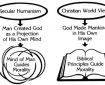 Christian Reply To Secular Humanism – Colossians 2:8
  To Work Is To Worship – Colossians 3:23
  Feed My Sheep
Leave a Reply!